8 Simple Home Improvement Projects No One Should Skip Before Selling

Dusty Rhodes • March 23, 2020

When you’re getting ready to sell your home, your to-do list is already a mile long, and making big improvements to a place you’re about to leave can feel pretty anticlimactic. But even little touches can go a long way toward impressing buyers. So don’t put your home on the market without addressing these small fixes first. 


Make sure hardware and lighting throughout the house matches—and functions properly


“We do door knobs and handles, we want to make sure they all work and match,” says Steve Moses, a Redfin home services manager in Los Angeles. “We try to make the house look uniform—so if there’s gold hinges, we probably want gold hardware, if there’s silver hinges then silver hardware.”


“This may seem like a given, but making sure that all lightbulbs are working and matching is a good thing to have on the checklist,” adds Kiernan Middleman, a real estate agent at Berkshire Hathaway HomeServices Warren Residential in Boston. You might consider swapping out old switch plates and outlet faceplates to make sure they all match as well—even metal wall plates cost just a few bucks, and all you need to install them is a screwdriver. 


Replace cracked grout or caulking

“Making sure the grout and caulking around the tub and sinks is fresh and clean is so important, and is a very low-cost fix that gives a great impression,” Middleman says. For about $25 in supplies, you can cut out cracked caulking with a sharp utility knife, then thoroughly clean the area, let it dry, and apply a new bead with a caulking gun. 


Refresh the main entrance

It’s common for sellers to not give the entryway the attention it deserves, Moses says. After all, it’s a buyer’s first impression as they approach the house. He makes sure to put down a nice welcome mat, clear any spider webs or other debris, and plant flowers near the entrance in beds of fresh mulch. “You don’t realize how far a $3 bag of mulch goes for the curb appeal of a house,” Moses says. 


Replacing a dated outdoor light fixture is a simple $20 fix, Moses adds. And he devotes plenty of attention to the front door. “A lot of times we change out the front door handle and front door lock. That gives a nice fresh appearance to the front door,” he says. “We’ve even been painting front doors recently, too… that’s a very inexpensive thing to do that can add a good amount of character to the house.” 

Paint, paint, paint

Did you honestly think you would get through this article without hearing about the virtues of a fresh coat of paint? “Paint is probably the best return on investment,” says Bill Tierney, an agent in Cohasset, Mass., particularly if it’s a soft, light, neutral color. “The closer you can get your house to a Pottery Barn catalog, the better off you’ll be.”  
Wash all windows inside and out

Or even pay to have your windows professionally cleaned, says Tierney. When springtime sunlight is streaming through crystal clear windows, it subtly brightens and cheers up a home. “But when you have a bit of grime on the outside after a long winter, and the sun is shining through and the windows look dirty. It sends a different vibe that maybe the house isn’t that well maintained.”
Refinish worn hardwood floors

Bringing old hardwood floors back to sparkling life is another of Tierney’s go-to suggestions. “It’s a bit of nuisance if you’re living there, because it’s a dusty, messy process,” Tierney says. “But it shows so clean and new, and you can do a room for $500. It’s not a lot of money.”
‘Edit’ your belongings

“If you’re going to spend any money, I’d consider spending it on a professional stager or home editor to make the home look as good as possible,” Moses says, who hired a home editor when listing his own property. “I have two little kids, and it was worth every penny to have somebody come in and make some of the rooms look better and bigger, just with my own furniture.” 

Tierney says it’s just as important to declutter closets. “Think of the psychological aspect when you open a closet door and you see everything is just jammed in there… People are going to think, ‘Oh my God, they have no room for their stuff, this house is too small,’” he says. So pack up as much of that stuff as you can—with any luck, you’ll be moving soon anyway—so there’s two inches of space between every clothes hanger. “That doesn’t cost anything other than a few boxes and a couple hours of your time.” 

“I even go as far as storing non-essential items that are usually on the counter, like the toaster or blender,” Middleman says. She adds that while a deep deodorizing clean is essential, plug-in air fresheners and candles are a mistake. “Ditch them, all of them. They drive buyers out of the home faster every single time.” 

Install working smoke detectors

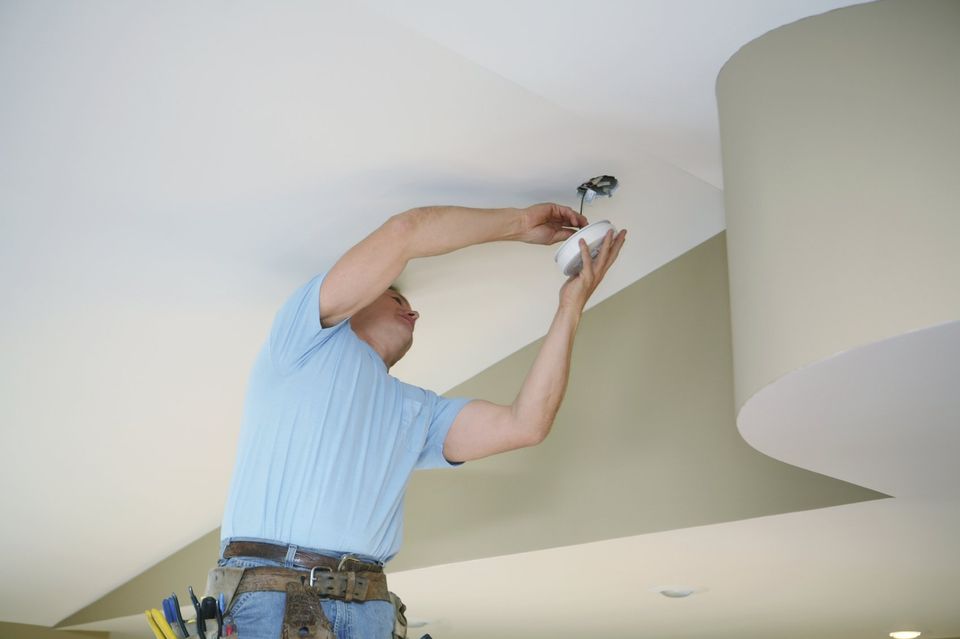
Finally, Moses says an obvious but sometimes overlooked project is to make sure the home meets the basic conditions that banks require for financing. “With any house that has a loan, you need to have smoke detectors in every bedroom,” he explains. Other lender requirements generally include functioning heat and hot water, a working stove, and a roof that’s not leaking. It may seem obvious, but a fresh coat of paint isn’t going to matter if rainwater is dripping down those pretty pastel walls—so take care of the basics first and foremost. 


Dusty Rhodes Properties is the Best Realtor in Myrtle Beach! We do everything in our power to help you find the home of your dreams. With experience, expertise, and passion, we are the perfect partner for you in Myrtle Beach, South Carolina. We love what we do and it shows. With more than 22 years of experience in the field, we know our industry like the back of our hands. There’s no challenge too big or too small, and we dedicate our utmost energy to every project we take on. We search thousands of the active and new listings from Aynor, Carolina Forest, Conway, Garden City Beach, Longs, Loris, Murrells Inlet, Myrtle Beach, North Myrtle Beach, Pawleys Island, and Surfside Beach real estate listings to find the hottest deals just for you!

Share

By Dusty Rhodes March 23, 2026
Let’s be clear: selling your house is absolutely possible right now. According to the National Association of Realtors (NAR), roughly 11k homes sell every day in this country. And the sellers who are making their moves happen all have one thing in common: they’ve adjusted their strategy to match today’s market. They’re realizing inventory has grown. Homebuyers are more selective. And buyer expectations are higher. The sellers who struggle are usually approaching today’s market with yesterday’s expectations. Here are the three biggest mistakes they’re making – and how to avoid them. 1. Pricing Based on What Their Neighbor Got a Few Years Back Setting your price is the most important decision you make when you sell – and the one that’s most often mishandled. Realtor.com data shows almost 1 out of 5 sellers in 2025 had to drop their price. Here’s what those sellers went wrong. Buyers have more choice and more negotiating power now that inventory has grown. And house hunters will actively avoid your house is if feels like it’s priced too high. That’s why overpricing usually leads to: Fewer showings Less competitive (or lowball) offers Longer time on market And all three of those side effects are things you don’t want to deal with. What To Do Instead: The good news is the cure is simple. Just price for today’s buyer, not yesterday’s headlines. Lean on your agent’s knowledge of recent comparable sales, current competition, and local buyer behavior to land in the value “sweet spot” that drives traffic and urgency from day one. 2. Trying To Skip Repairs That Buyers Now Expect A few years ago, you could sell as-is and still get well above asking. Today? Not so much. Right now, NAR says two-thirds of sellers are making at least some repairs. And the reason why is simple. In a market with more inventory, buyers compare homes side by side. Homes that don’t show well (or feel dated) are going to lose attention quickly, even if the issues are minor. What To Do Instead: Ask your agent which high-impact, low-stress updates they’d recommend for your house. The goal isn’t perfection. It’s helping buyers see themselves moving in without a mental to-do list. Small investments in staging, repairs, and curb appeal can make a huge difference in how quickly offers come in – and how strong those offers are. 3. Playing Hardball When Buyers Try To Negotiate Today’s buyers have housing affordability at the top of their minds. And since money is already tight, they’ll be pickier and will probably ask for some compromises from you. Whether that’s making repairs, giving them a credit at closing, or taking just a few thousand dollars off your asking price, negotiating is normal again. So, if something pops up in the inspection, you’re going to need to be open to talking about it. If you’re not, you may very well see your buyer walk away. And some sellers are figuring this out the hard way. Redfin data shows one of the big reasons home sales fell thru in 2025 was inspection or repair issues. Odds are those homeowners weren’t willing to flex a bit to get the deal done. What to Do Instead: Meet with your agent to make sure you understand what buyers in your area care the most about. Align your price with value, present the home clearly and confidently, and stay open to reasonable negotiations that keep deals moving forward.
By Dusty Rhodes March 16, 2026
They’re often called aging-in-place features, but things like curbless showers, nonslip flooring and wide walkways and doorways can benefit everyone, no matter their age or ability. “Regardless of aging in place, there is a place for these in day-to-day life, whether it be a teenager on crutches, a family member having had surgery, active kids,” designer Dana Bass says. “It’s not just about aging in place. We’ve got to account for unplanned life emergencies.” Designer Tammy Battistessa of Ellaire Kitchen & Bath Design agrees. “Whenever possible, I include aging-in-place and universal design features in every project, as I believe many of these features benefit clients of all ages and abilities, in addition to allowing a client to safely remain in their home for a longer period of time,” she says. Creating a home that can adapt also makes it more sustainable. “Aging in place is a key element to making legacy homes that can evolve over time,” architect Tim Barber says. With all that in mind, we asked more than 50 home design and construction professionals to share the aging-in-place features they always recommend. Here are the 10 that came up again and again. 1. Wide Walkways and Doorways Planning ahead is one of the most important steps when incorporating aging-in-place features. Many of these elements require thoughtful design and construction, so it’s wise to start early — and to consider hiring professionals who understand the nuances. “Thinking through how you will really use the space makes all the difference,” designer Haiku Durden of HDS Design says. “Having a designer involved really makes a difference.” A professional can help you create a plan that works for your current needs and anticipates future ones. “We currently default to aging-in-place features when our clients are near retirement or retirement age,” says designer Jenny Guggenheim of Guggenheim Architecture and Design Studio . “Preplanning by adding blocking behind the wall finish, spacious floor planning to allow for wheelchair or walker use.” In fact, spacious layouts are among the most commonly recommended aging-in-place strategies. Wide walkways and doorways — and generous clearances around furniture and fixtures — make it easier for anyone to move through the home comfortably. Installing a continuous flooring material throughout also reduces tripping hazards caused by changes in height or texture between rooms.
By Dusty Rhodes March 2, 2026
There’s one decision you’re going to make when you sell that determines whether your house sells quickly, or it sits. Whether buyers make an offer, or scroll past it. Whether you walk away with the maximum return, or you end up cutting the price later. And that’s your asking price . The #1 Mistake Sellers Make Today: Trusting the Wrong Number If you’re thinking of moving and trying to figure out what your house may sell for, it’s tempting to start with an online home value tool. They’re fast, free, and easy. And you don’t have to talk to anyone. But here’s the problem: they don’t know your house. And that can be a bigger drawback than you realize. Where Online Estimates Fall Short Online tools often lag behind the market. They look in the rearview mirror, relying on closed sales and delayed information. And in that sense, they’re using incomplete data . That’s not a miss in how these systems are built. Some information just isn’t available online. Bankrate explains: “ While these tools can be a useful starting point, keep in mind that they typically do not provide the most accurate pricing. Algorithms can only rely on the information available; they can’t account for things like a home’s condition or renovations made since the last public information was updated.” They can’t see: The unique features that make your house special All the work you’ve put in to keep it in good condition Or, how in-demand your specific neighborhood is right now So, while they may do a good job in some cases, they can’t be as accurate as a local agent who has boots on the ground day in and day out. In a market where buyers have more options, a seemingly small margin of error can cost you thousands if you price too low, or weeks of lost momentum and time if you price too high. If you want to sell for the most money and in the least amount of time, you don’t want the fast answer on how to price your house. You want the right one. That’s why the savviest homeowners today don’t rely on algorithms when it actually matters. They rely on people, specifically trusted local agents. What an Expert Agent Brings to the Table According to 1000WATT , sellers overwhelmingly believe real estate agents have the best sense of a home’s true value, far more than any automated tools.