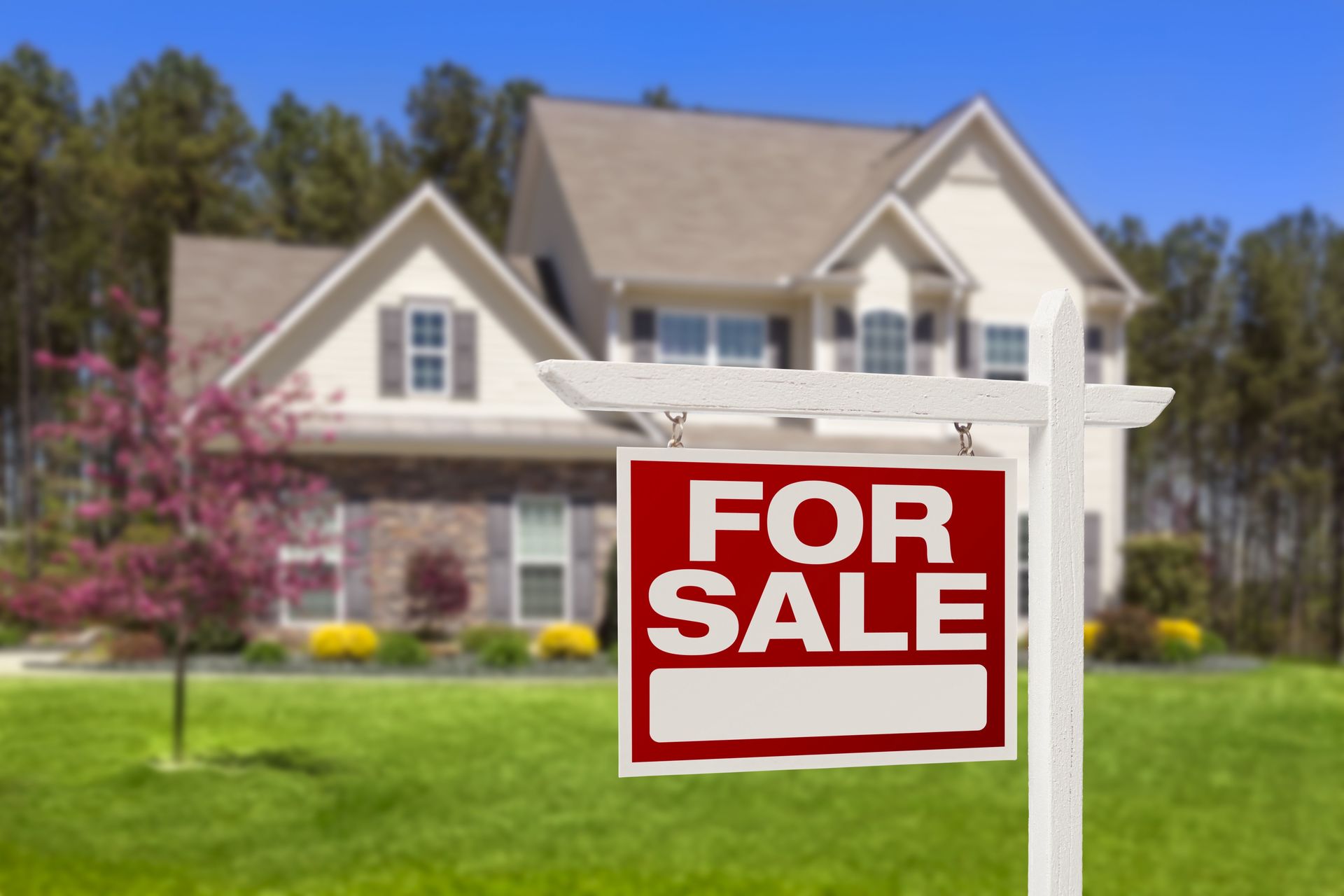
Top 5 Ways To Add Value To Your Home: Kitchen & Bathroom Renovations, Square Footage, Curb Appeal, And Energy-Efficient Upgrades
Dusty Rhodes • May 23, 2023

Whether you're looking to sell your home in the near future or just want to increase its value, there are several ways to make your property more attractive to potential buyers. In this article, we'll explore the top 5 ways to add value to your home, including kitchen and bathroom renovations, adding square footage, improving curb appeal, and making energy-efficient upgrades.


  • Kitchen Renovation


The kitchen is often considered the heart of the home, and a well-designed and updated kitchen can significantly increase the value of your property. If you're considering a kitchen renovation, there are several upgrades that can make a big impact. Some of these upgrades could include new appliances, countertops, cabinets, and flooring.


When choosing new appliances, consider stainless steel models, as they are often more attractive to buyers and tend to hold their value better than other finishes. Porcelain is another material that can give your kitchen a timeless beauty and is guaranteed to stand the test of time. You can check Caesarstone's Porcelain collection for more inspiration. Cabinets can be refinished or replaced entirely, depending on your budget and the current state of your kitchen. When it comes to flooring, hardwood or tile are often seen as the most desirable options.


It's important to remember that when renovating your kitchen, it's best to focus on quality over quantity. A well-designed and updated kitchen with high-quality finishes is more likely to appeal to potential buyers and increase the overall value of your home.


  • Bathroom Remodel


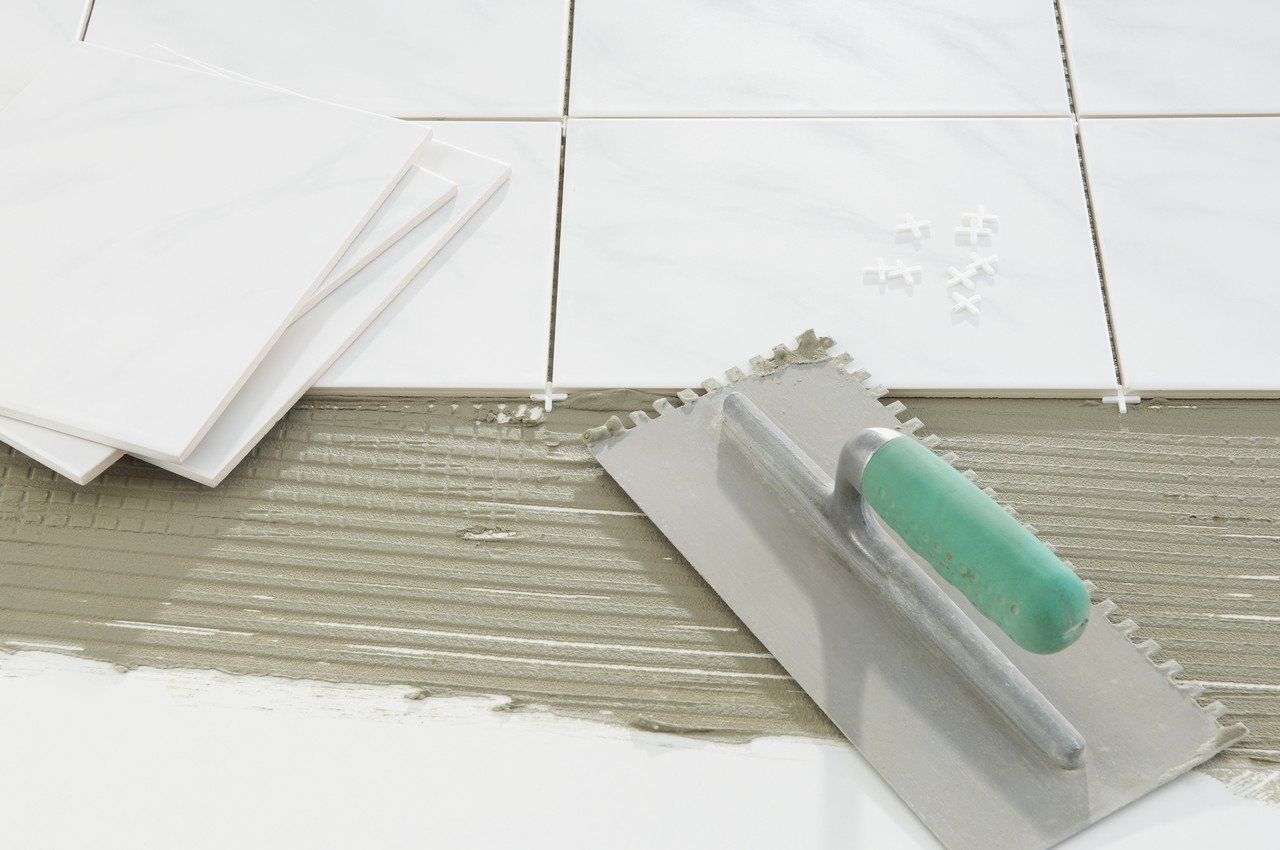
Similar to the kitchen, updated bathrooms can also add significant value to your home. Upgrades could include new fixtures, tile work, vanities, and lighting. When it comes to fixtures, consider replacing outdated or worn faucets and showerheads with new, modern options. Similarly, upgrading your tile work can make a big impact on the overall look and feel of your bathroom. Vanities can be refinished or replaced entirely, depending on your budget and the current state of your bathroom.

When it comes to lighting, consider installing new fixtures or updating existing ones with energy-efficient LED bulbs. LED lighting not only saves energy but can also add a modern touch to your bathroom. A well-designed and updated bathroom with high-quality finishes is sure to attract potential buyers and increase the overall value of your home.


  • Adding Square Footage


Adding square footage to your home, such as a bedroom, a living room, or a home office can significantly increase its value. This could be accomplished through an addition or by finishing an existing basement or attic. If you're considering adding square footage, it's important to work with a contractor or architect to ensure that the new space is both functional and attractive.


When adding square footage, consider the needs of potential buyers. A home office or additional bedroom could be attractive to a family, while a living room or entertainment space may be more appealing to young professionals. It's also important to ensure that the new space flows well with the existing layout of your home and doesn't feel cramped or overcrowded.


  • Curb Appeal

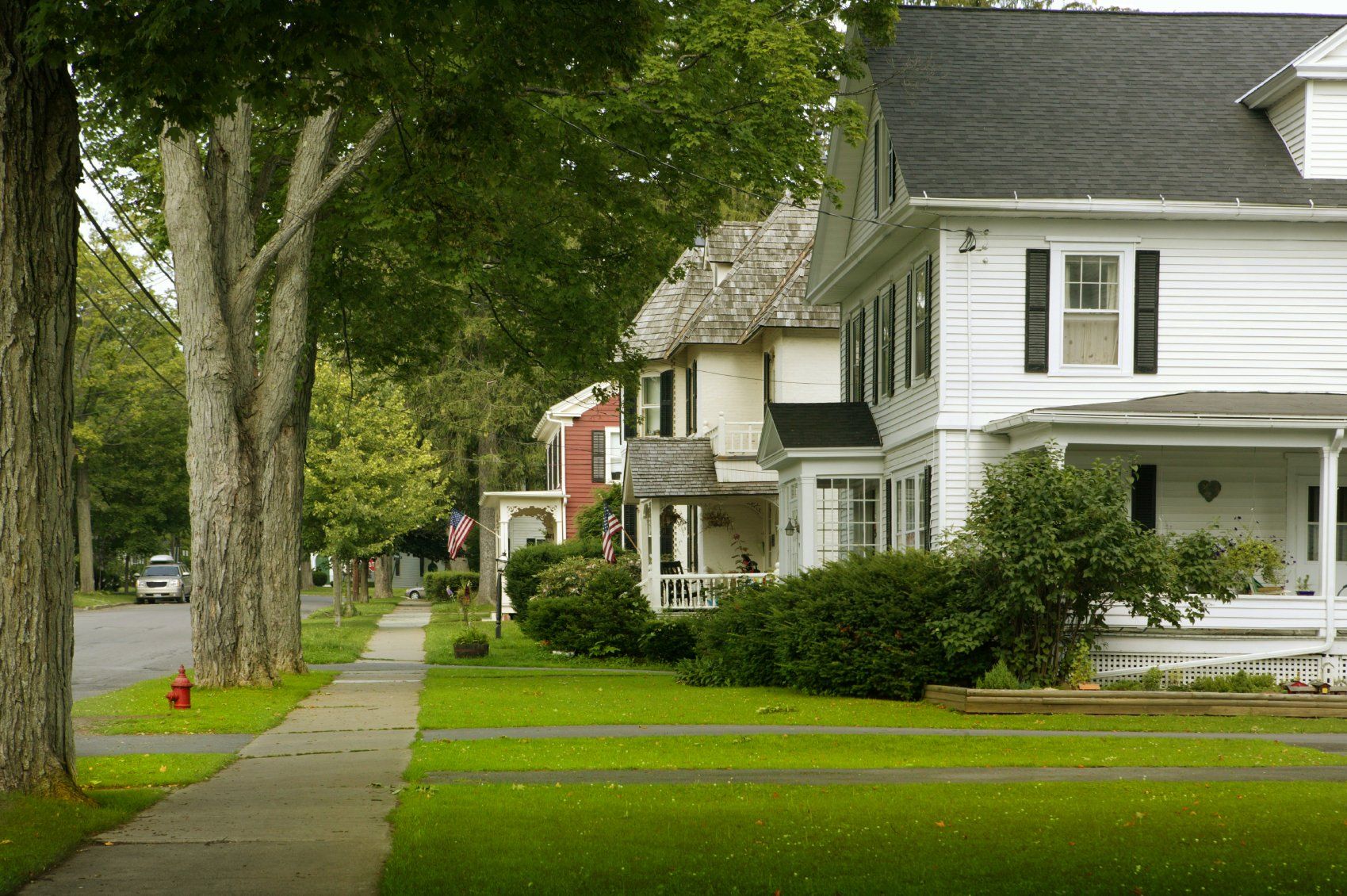
The exterior of your home is the first thing potential buyers see, and investing in landscaping, painting, and other exterior upgrades can make a big impact on the perceived value of your property. When it comes to landscaping, consider planting colorful flowers or shrubs and maintaining a well-manicured lawn. A fresh coat of paint on your front door or shutters can also make a big impact.


Other exterior upgrades could include replacing your roof or siding, installing new windows or doors, or adding outdoor lighting. It's important to choose upgrades that fit within your budget and make a big impact on the overall look and feel of your home.


  • Energy-Efficient Upgrades


Energy-efficient upgrades to your home not only add value to your property but also save you money on utility bills. Here are some energy-efficient upgrades to consider:


  1. New Windows: Upgrading to energy-efficient windows can prevent heat loss during the winter and keep your home cooler during the summer. Look for windows with a low U-factor and Solar Heat Gain Coefficient (SHGC) to maximize energy efficiency.
  2. Insulation: Insulating your home can prevent heat loss during the winter and keep your home cooler during the summer. Consider adding insulation to your attic, walls, and floors to improve energy efficiency.
  3. HVAC System: Upgrading to a high-efficiency HVAC system can significantly reduce your energy bills. Look for systems with high SEER (Seasonal Energy Efficiency Ratio) and AFUE (Annual Fuel Utilization Efficiency) ratings for maximum energy efficiency.
  4. Smart Thermostat: Installing a smart thermostat can help you save money on energy bills by allowing you to adjust your home's temperature remotely. Some smart thermostats even learn your heating and cooling preferences and adjust accordingly.
  5. LED Lighting: Switching to LED bulbs can significantly reduce your energy bills and last longer than traditional bulbs. LED lighting also emits less heat, making your home more energy-efficient during the summer.
  6. Solar Panels: Installing solar panels on your home can significantly reduce your energy bills and even earn you money by selling excess energy back to the grid. However, solar panels can be expensive to install, so it's important to do your research and consider the long-term benefits.


By making these energy-efficient upgrades to your home, you can not only increase its value but also reduce your environmental footprint and save money on energy bills. Please be reminded that it's important to choose upgrades that fit within your budget and consider the long-term benefits.


Source: Realty Biz News


Dusty Rhodes Properties is the Best Realtor in Myrtle Beach! We do everything in our power to help you find the home of your dreams. With experience, expertise, and passion, we are the perfect partner for you in Myrtle Beach, South Carolina. We love what we do and it shows. With more than 22 years of experience in the field, we know our industry like the back of our hands. There’s no challenge too big or too small, and we dedicate our utmost energy to every project we take on. We search thousands of the active and new listings from Aynor, Carolina Forest, Conway, Garden City Beach, Longs, Loris, Murrells Inlet, Myrtle Beach, North Myrtle Beach, Pawleys Island, and Surfside Beach real estate listings to find the hottest deals just for you!

Share
By Dusty Rhodes March 30, 2026
When you’re selling your home , it is natural to assume that anything you can safely remove is yours to keep—like the light fixtures you painstakingly cleaned and repaired, or the appliances you bought last year. But the truth is, the buyer may want some of those items, too, and sometimes it's better to part ways with these items for the sake of the sale. Rather than keep everything, you should decide what you'd like to keep and what you'll leave behind as a way to entice buyers into making an offer, particularly in today's market where buyers are holding more of the cards than ever. What stays with the house? Generally, certain items stay with the house when you sell and move. Some features may seem obvious, but the truth is, you're probably expected to leave more behind than you think. Some of these items can include: Built-ins: Built-in bookshelves, benches, and pull-out furniture generally stay inside the home. Landscaping: Trees, shrubs, and any flowers planted in the ground should stay in the yard. Wall mounts: If you have TV wall mounts or picture mounts that might damage the wall if you remove them, it is a good idea to leave them in place when you move. Custom-fit items: If you have custom-made curtains , plantation shutters, or blinds, leave them on the windows and doors. Hardware : If you upgraded the knobs and drawer pulls in the bathrooms and kitchen, you should either leave those behind or install replacements before you move. Alarm systems : Wireless alarm systems are designed to be removed. Otherwise, leave the alarm monitoring station attached and either relocate or cancel the monitoring service. Smoke detectors : Smoke detectors and sprinkler systems should stay in the house, especially if you plan to move before selling the house. What can you take? While you’re expected to leave some items behind, in general your belongings are yours to keep. Here are some examples: Patio furniture, lawn equipment, and play sets : If you have a wooden swing set in the backyard and a bistro table on the front porch, take those items with you. Appliances : Some lenders require that a home have an oven installed before approving a loan, but for all other appliances, it's up to you to decide what you will take and what you will offer as part of the home. Some light fixtures : Generally, homeowners leave light fixtures behind, but if you’re attached to a certain fixture, you can make arrangements with the buyer to take it. Built-in kitchen tools : If you can safely remove a mounted spice rack or the pasta arm, you can take it with you. Rugs, basic curtains, wreaths : Small decor items like rugs or curtain rods that can be safely removed can be taken. What should you consider leaving? Some of your personal items can be used to help sell your house—or increase the asking price. Before you take everything just to take it, consider offering some hot items like the following: Appliances : Homeowners, especially new homeowners, don’t always have their own appliances. Many buyers would be more likely to place an offer on a home if it came fully stocked with appliances. Custom swing and play sets : If you have a swing set or playhouse your children have outgrown and you notice a potential buyer has children, offer to include the item with the deal. Kitchen built-ins : Built-in spice racks, pantry organization, and windowsill shelves can really help sell a kitchen. Consider offering the items to an interested buyer. Light fixtures, curtains, rugs, and other upgrades : If you’ve upgraded the light fixtures or have custom rugs in the entryway, a buyer may be willing to increase his or her offer to keep those items in the home.  If you’re not sure what would entice a buyer, ask your real estate agent to provide suggestions. Don't have an agent yet? Here's how to find a real estate agent in your area.
By Dusty Rhodes March 23, 2026
Let’s be clear: selling your house is absolutely possible right now. According to the National Association of Realtors (NAR), roughly 11k homes sell every day in this country. And the sellers who are making their moves happen all have one thing in common: they’ve adjusted their strategy to match today’s market. They’re realizing inventory has grown. Homebuyers are more selective. And buyer expectations are higher. The sellers who struggle are usually approaching today’s market with yesterday’s expectations. Here are the three biggest mistakes they’re making – and how to avoid them. 1. Pricing Based on What Their Neighbor Got a Few Years Back Setting your price is the most important decision you make when you sell – and the one that’s most often mishandled. Realtor.com data shows almost 1 out of 5 sellers in 2025 had to drop their price. Here’s what those sellers went wrong. Buyers have more choice and more negotiating power now that inventory has grown. And house hunters will actively avoid your house is if feels like it’s priced too high. That’s why overpricing usually leads to: Fewer showings Less competitive (or lowball) offers Longer time on market And all three of those side effects are things you don’t want to deal with. What To Do Instead: The good news is the cure is simple. Just price for today’s buyer, not yesterday’s headlines. Lean on your agent’s knowledge of recent comparable sales, current competition, and local buyer behavior to land in the value “sweet spot” that drives traffic and urgency from day one. 2. Trying To Skip Repairs That Buyers Now Expect A few years ago, you could sell as-is and still get well above asking. Today? Not so much. Right now, NAR says two-thirds of sellers are making at least some repairs. And the reason why is simple. In a market with more inventory, buyers compare homes side by side. Homes that don’t show well (or feel dated) are going to lose attention quickly, even if the issues are minor. What To Do Instead: Ask your agent which high-impact, low-stress updates they’d recommend for your house. The goal isn’t perfection. It’s helping buyers see themselves moving in without a mental to-do list. Small investments in staging, repairs, and curb appeal can make a huge difference in how quickly offers come in – and how strong those offers are. 3. Playing Hardball When Buyers Try To Negotiate Today’s buyers have housing affordability at the top of their minds. And since money is already tight, they’ll be pickier and will probably ask for some compromises from you. Whether that’s making repairs, giving them a credit at closing, or taking just a few thousand dollars off your asking price, negotiating is normal again. So, if something pops up in the inspection, you’re going to need to be open to talking about it. If you’re not, you may very well see your buyer walk away. And some sellers are figuring this out the hard way. Redfin data shows one of the big reasons home sales fell thru in 2025 was inspection or repair issues. Odds are those homeowners weren’t willing to flex a bit to get the deal done. What to Do Instead: Meet with your agent to make sure you understand what buyers in your area care the most about. Align your price with value, present the home clearly and confidently, and stay open to reasonable negotiations that keep deals moving forward.
By Dusty Rhodes March 16, 2026
They’re often called aging-in-place features, but things like curbless showers, nonslip flooring and wide walkways and doorways can benefit everyone, no matter their age or ability. “Regardless of aging in place, there is a place for these in day-to-day life, whether it be a teenager on crutches, a family member having had surgery, active kids,” designer Dana Bass says. “It’s not just about aging in place. We’ve got to account for unplanned life emergencies.” Designer Tammy Battistessa of Ellaire Kitchen & Bath Design agrees. “Whenever possible, I include aging-in-place and universal design features in every project, as I believe many of these features benefit clients of all ages and abilities, in addition to allowing a client to safely remain in their home for a longer period of time,” she says. Creating a home that can adapt also makes it more sustainable. “Aging in place is a key element to making legacy homes that can evolve over time,” architect Tim Barber says. With all that in mind, we asked more than 50 home design and construction professionals to share the aging-in-place features they always recommend. Here are the 10 that came up again and again. 1. Wide Walkways and Doorways Planning ahead is one of the most important steps when incorporating aging-in-place features. Many of these elements require thoughtful design and construction, so it’s wise to start early — and to consider hiring professionals who understand the nuances. “Thinking through how you will really use the space makes all the difference,” designer Haiku Durden of HDS Design says. “Having a designer involved really makes a difference.” A professional can help you create a plan that works for your current needs and anticipates future ones. “We currently default to aging-in-place features when our clients are near retirement or retirement age,” says designer Jenny Guggenheim of Guggenheim Architecture and Design Studio . “Preplanning by adding blocking behind the wall finish, spacious floor planning to allow for wheelchair or walker use.” In fact, spacious layouts are among the most commonly recommended aging-in-place strategies. Wide walkways and doorways — and generous clearances around furniture and fixtures — make it easier for anyone to move through the home comfortably. Installing a continuous flooring material throughout also reduces tripping hazards caused by changes in height or texture between rooms.