Top Design Ideas for a New Decade, Part 2

Dusty Rhodes • February 24, 2020

We're Back! Recently we discussed the latest design trends that are making an appearance in the new decades. We talked about the first 6, now here's the finale!


7. Remodeling Before Listing


Many homeowners don’t want to take on the work and extra cost of fixing up their home before they list. Yet many buyers don’t want to invest in a home where they know there are walls to paint, countertops to replace, and floors to resand. Consider the latest trend that helps remove buyer objections: a contractor who tackles the work and fronts the cost or who partners with a firm that provides financing. Sellers then pay back the funds at closing. The big reward usually is a higher price and speedier sale, says Mike Valente, a licensed general contractor who works with many homeowners through his Renovation Sells firm in Chicago. Compass, a national real estate firm, has established its Compass Concierge service to deliver a similar revamp option. A calculator on the company’s website helps suggests how much sellers might spend.

8. Living Walls

For homeowners downsizing to a property with a smaller yard—or for those who have trouble bending down—living walls offer a way to connect to greenery by growing plants, vegetables, and herbs along the walls of a home, garage, or outbuilding. Landscape designer Michael Glassman of Michael Glassman & Associates in Sacramento, Calif., says, “Gardening is going up rather than out for aesthetics and consumption.” He recommends vines like star jasmine and creeping fig, edibles such as tomatoes and cucumbers, and herbs like rosemary and basil. “Plant walls” resembling art are also showing up inside, especially when homeowners don’t have an outdoor space, says David Dynega, CEO of Detail Renovations in Great Neck, N.Y. 
9. Better Looking Performance Fabrics

Instead of looking only at fabrics that appeal for color, pattern, or texture, homeowners want materials that will last and perform—hence, the name they’ve earned: performance fabrics. Originally, they were designed for outdoor spaces, where the sun, wind, water, or inclement weather took their toll. But as the fabrics have become more attractive, designers and homeowners have started using them indoors, where they can withstand the wear and tear of pets and people, says Chicago designer Rebecca Pogonitz of GOGO Design Group, who’s a big fan of the trend. Greg Voorhis, executive design director of Sunbrella, well-known for its performance fabric designs, says his firm is seeing the rise of more textured chenilles, boucles, and chunky wovens. “They bring new energy into familiar spaces without sacrificing comfort or durability,” he says.
10. Downsizing Homes, Rooms, and Ornate Features

The McMansion craze has been dead for years, resulting in more homeowners looking to downsize and millennials never planning to go big. “They favor experiences over owning large high-maintenance, high-cost homes filled with lots of stuff,” says Ames. “It’s the Marie Kondo version of shedding stuff.” Many home shoppers are also looking for simpler architectural detailing that pares maintenance and cost, as well as fewer rooms that will go unused, Ames says. Lendlease, a development company that created the new Cirrus building in downtown Chicago, heeded this mantra when it planned its range of scaled-down units and beefed up its many shared amenity spaces, says Ted Weldon, executive general manager. Sheri Koones’ new book, Downsize: Living Large in a Small House (The Taunton Press, 2019), offers an abundance of information for homeowners looking to pare down.
11. Deeper Hues

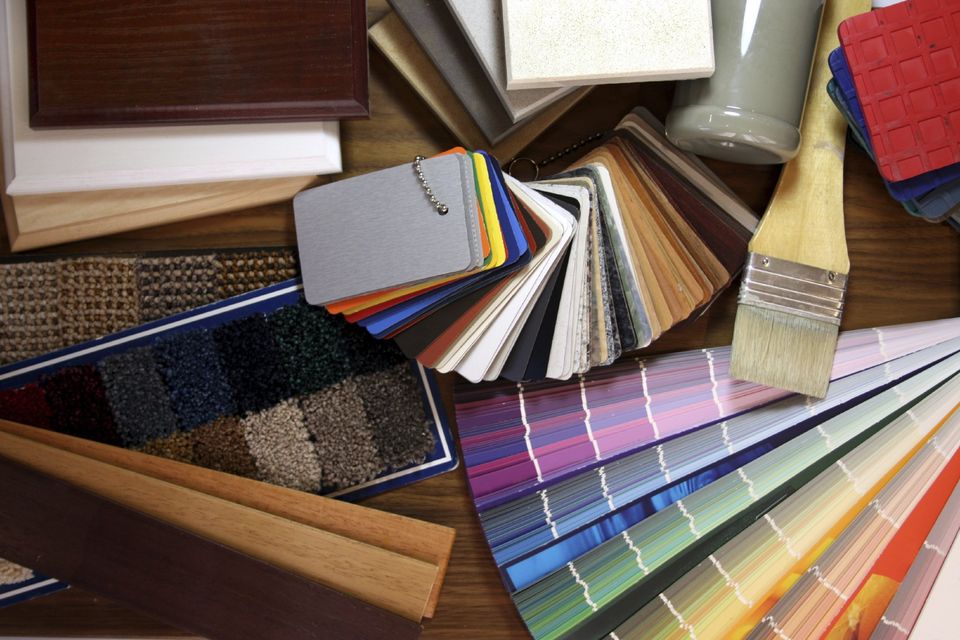
You can read into the emerging palette of deep hues a desire to counter global unrest, as some designers speculate, or you can take the colors as an antidote to years of pale grays. Either way, the darker hues are coming on strong. Pantone anointed “classic blue”—a very royal tone—as its color of the year. Could it be a nod to the Sussexes or appeal of The Crown? Sherwin-Williams’ Sue Wadden, director of color marketing, touts her company’s “naval” (SW 6244), “anchors aweigh” (SW 9179), “ripe olive” (SW 6209), and “dard hunter green” (SW 0041) as choices to visually mitigate stress. Another emerging trend: monochromatic rooms, donning a single paint color on the walls, trim, and ceiling.
12. Hipsturbia

Live/work/play has become a way of life for millennials who aren’t willing to compromise when they have children. As they move to the suburbs for more space, they choose communities with urban amenities—thriving walkable downtowns with dining, shopping, entertainment, public transportation, and jobs. “Success has a way of spreading,” the Urban Land Institute noted when it coined the term “hipsturbia” in its Emerging Trends in Real Estate 2020 report, says Mary Cook, founder of Chicago-based Mary Cook Associates. “Every development we work on today is located in areas that fit this formula and foster community interactions,” she says. One example is Toll Brothers’ Apartment Living Oleander building outside Atlanta, which offers residents flexible community spaces equipped with state-of-the-art technology to accommodate events, co-working spaces, and more. The building sits on Emory University’s expanding Executive Park campus near new medical complexes designed to attract health care professionals.


Dusty Rhodes Properties is the Best Realtor in Myrtle Beach! We do everything in our power to help you find the home of your dreams. With experience, expertise, and passion, we are the perfect partner for you in Myrtle Beach, South Carolina. We love what we do and it shows. With more than 22 years of experience in the field, we know our industry like the back of our hands. There’s no challenge too big or too small, and we dedicate our utmost energy to every project we take on. We search thousands of the active and new listings from Aynor, Carolina Forest, Conway, Garden City Beach, Longs, Loris, Murrells Inlet, Myrtle Beach, North Myrtle Beach, Pawleys Island, and Surfside Beach real estate listings to find the hottest deals just for you!
Share

By Dusty Rhodes March 23, 2026
Let’s be clear: selling your house is absolutely possible right now. According to the National Association of Realtors (NAR), roughly 11k homes sell every day in this country. And the sellers who are making their moves happen all have one thing in common: they’ve adjusted their strategy to match today’s market. They’re realizing inventory has grown. Homebuyers are more selective. And buyer expectations are higher. The sellers who struggle are usually approaching today’s market with yesterday’s expectations. Here are the three biggest mistakes they’re making – and how to avoid them. 1. Pricing Based on What Their Neighbor Got a Few Years Back Setting your price is the most important decision you make when you sell – and the one that’s most often mishandled. Realtor.com data shows almost 1 out of 5 sellers in 2025 had to drop their price. Here’s what those sellers went wrong. Buyers have more choice and more negotiating power now that inventory has grown. And house hunters will actively avoid your house is if feels like it’s priced too high. That’s why overpricing usually leads to: Fewer showings Less competitive (or lowball) offers Longer time on market And all three of those side effects are things you don’t want to deal with. What To Do Instead: The good news is the cure is simple. Just price for today’s buyer, not yesterday’s headlines. Lean on your agent’s knowledge of recent comparable sales, current competition, and local buyer behavior to land in the value “sweet spot” that drives traffic and urgency from day one. 2. Trying To Skip Repairs That Buyers Now Expect A few years ago, you could sell as-is and still get well above asking. Today? Not so much. Right now, NAR says two-thirds of sellers are making at least some repairs. And the reason why is simple. In a market with more inventory, buyers compare homes side by side. Homes that don’t show well (or feel dated) are going to lose attention quickly, even if the issues are minor. What To Do Instead: Ask your agent which high-impact, low-stress updates they’d recommend for your house. The goal isn’t perfection. It’s helping buyers see themselves moving in without a mental to-do list. Small investments in staging, repairs, and curb appeal can make a huge difference in how quickly offers come in – and how strong those offers are. 3. Playing Hardball When Buyers Try To Negotiate Today’s buyers have housing affordability at the top of their minds. And since money is already tight, they’ll be pickier and will probably ask for some compromises from you. Whether that’s making repairs, giving them a credit at closing, or taking just a few thousand dollars off your asking price, negotiating is normal again. So, if something pops up in the inspection, you’re going to need to be open to talking about it. If you’re not, you may very well see your buyer walk away. And some sellers are figuring this out the hard way. Redfin data shows one of the big reasons home sales fell thru in 2025 was inspection or repair issues. Odds are those homeowners weren’t willing to flex a bit to get the deal done. What to Do Instead: Meet with your agent to make sure you understand what buyers in your area care the most about. Align your price with value, present the home clearly and confidently, and stay open to reasonable negotiations that keep deals moving forward.
By Dusty Rhodes March 16, 2026
They’re often called aging-in-place features, but things like curbless showers, nonslip flooring and wide walkways and doorways can benefit everyone, no matter their age or ability. “Regardless of aging in place, there is a place for these in day-to-day life, whether it be a teenager on crutches, a family member having had surgery, active kids,” designer Dana Bass says. “It’s not just about aging in place. We’ve got to account for unplanned life emergencies.” Designer Tammy Battistessa of Ellaire Kitchen & Bath Design agrees. “Whenever possible, I include aging-in-place and universal design features in every project, as I believe many of these features benefit clients of all ages and abilities, in addition to allowing a client to safely remain in their home for a longer period of time,” she says. Creating a home that can adapt also makes it more sustainable. “Aging in place is a key element to making legacy homes that can evolve over time,” architect Tim Barber says. With all that in mind, we asked more than 50 home design and construction professionals to share the aging-in-place features they always recommend. Here are the 10 that came up again and again. 1. Wide Walkways and Doorways Planning ahead is one of the most important steps when incorporating aging-in-place features. Many of these elements require thoughtful design and construction, so it’s wise to start early — and to consider hiring professionals who understand the nuances. “Thinking through how you will really use the space makes all the difference,” designer Haiku Durden of HDS Design says. “Having a designer involved really makes a difference.” A professional can help you create a plan that works for your current needs and anticipates future ones. “We currently default to aging-in-place features when our clients are near retirement or retirement age,” says designer Jenny Guggenheim of Guggenheim Architecture and Design Studio . “Preplanning by adding blocking behind the wall finish, spacious floor planning to allow for wheelchair or walker use.” In fact, spacious layouts are among the most commonly recommended aging-in-place strategies. Wide walkways and doorways — and generous clearances around furniture and fixtures — make it easier for anyone to move through the home comfortably. Installing a continuous flooring material throughout also reduces tripping hazards caused by changes in height or texture between rooms.
By Dusty Rhodes March 2, 2026
There’s one decision you’re going to make when you sell that determines whether your house sells quickly, or it sits. Whether buyers make an offer, or scroll past it. Whether you walk away with the maximum return, or you end up cutting the price later. And that’s your asking price . The #1 Mistake Sellers Make Today: Trusting the Wrong Number If you’re thinking of moving and trying to figure out what your house may sell for, it’s tempting to start with an online home value tool. They’re fast, free, and easy. And you don’t have to talk to anyone. But here’s the problem: they don’t know your house. And that can be a bigger drawback than you realize. Where Online Estimates Fall Short Online tools often lag behind the market. They look in the rearview mirror, relying on closed sales and delayed information. And in that sense, they’re using incomplete data . That’s not a miss in how these systems are built. Some information just isn’t available online. Bankrate explains: “ While these tools can be a useful starting point, keep in mind that they typically do not provide the most accurate pricing. Algorithms can only rely on the information available; they can’t account for things like a home’s condition or renovations made since the last public information was updated.” They can’t see: The unique features that make your house special All the work you’ve put in to keep it in good condition Or, how in-demand your specific neighborhood is right now So, while they may do a good job in some cases, they can’t be as accurate as a local agent who has boots on the ground day in and day out. In a market where buyers have more options, a seemingly small margin of error can cost you thousands if you price too low, or weeks of lost momentum and time if you price too high. If you want to sell for the most money and in the least amount of time, you don’t want the fast answer on how to price your house. You want the right one. That’s why the savviest homeowners today don’t rely on algorithms when it actually matters. They rely on people, specifically trusted local agents. What an Expert Agent Brings to the Table According to 1000WATT , sellers overwhelmingly believe real estate agents have the best sense of a home’s true value, far more than any automated tools.